Meet Erica Salzman, M.S., LEP
Strength-based Licensed Educational Psychologist
I'm a Licensed Educational Psychologist in Pasadena. I provide in-depth psychoeducational assessments that give a clear picture of how your child learns, their learning strengths and weaknesses, and what's getting in the way. I also provide consultation for IEPs and 504 plans. I work in person in Pasadena/Southern California, and provide remote assessment and consultation throughout California.
Book a free 20-minute consultation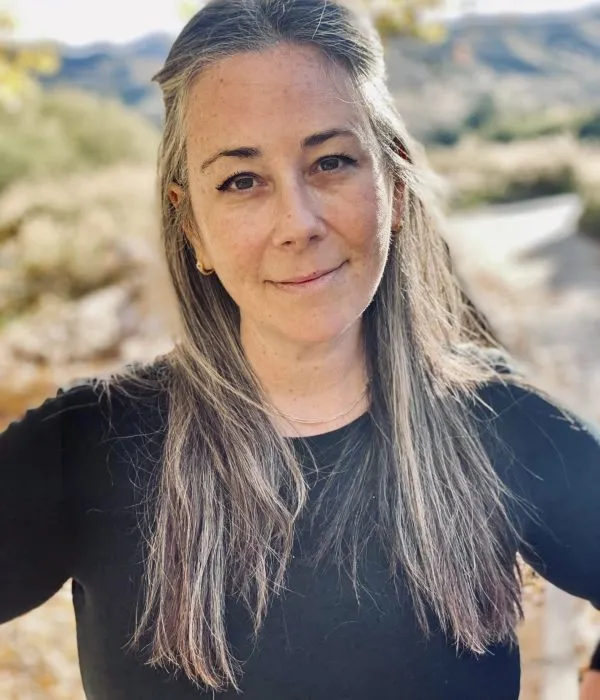
LEP #4465
Licensed Educational Psychologist, California.
Postgraduate certificate in Twice-Exceptional Education
Specialized postgraduate training in twice-exceptional (2e) learners.
12+ years inside public schools
Several districts, charter schools, and a nonpublic school for students with autism.
Why I do this work
For more than twelve years, I worked inside public schools and saw how easily bright, struggling students can slip through the cracks.
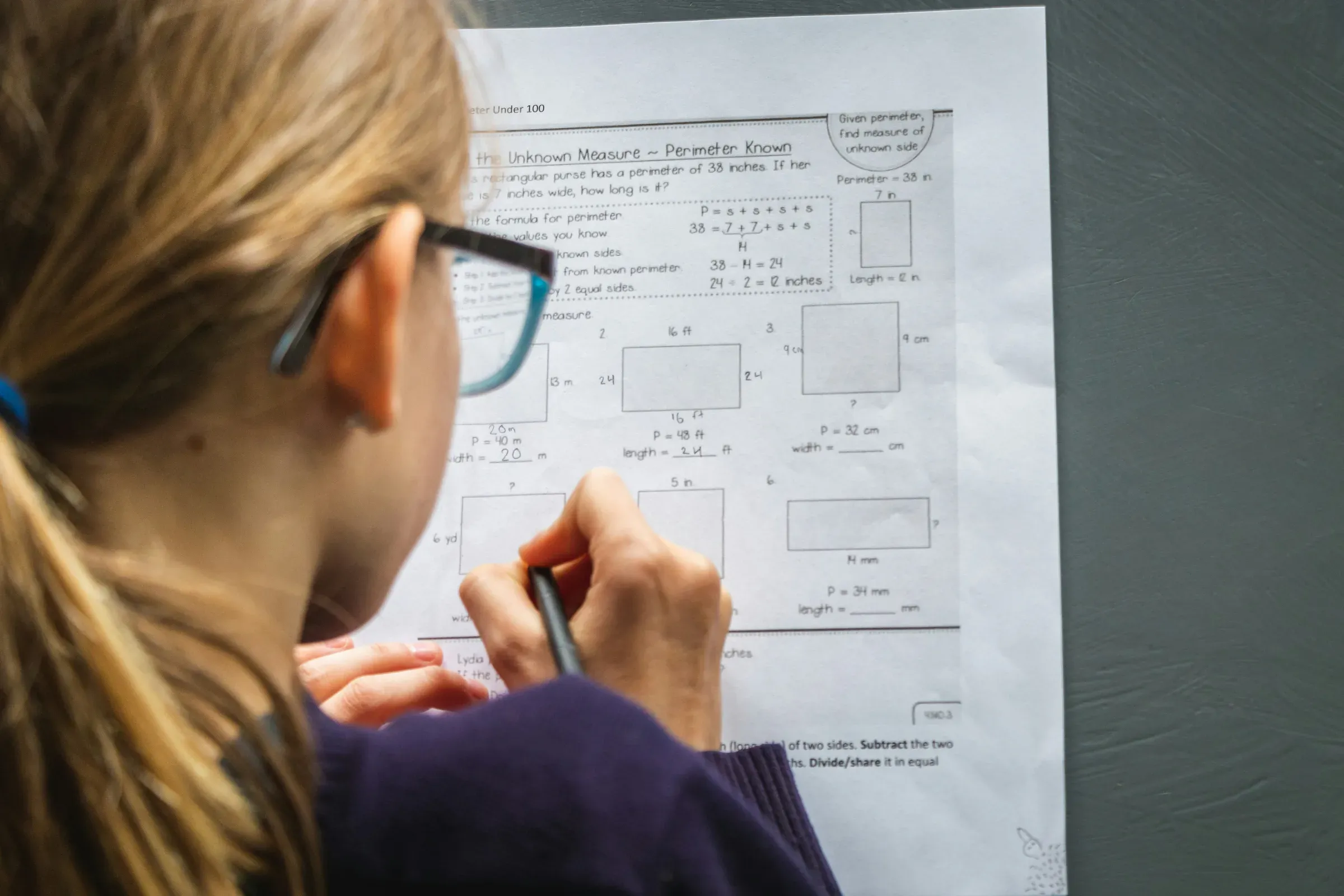
I've been an educational psychologist since 2014, working inside public school districts, charter schools, and, for three years, a nonpublic school for students with autism. In that time, I've assessed students from the early grades through high school for ADHD, autism, learning difficulties (dyslexia, dysgraphia, dyscalculia), and giftedness.
What I kept seeing was bright kids who didn't fit the form: students who were capable and struggling at the same time, in ways the usual framework had no room for. So they got missed, or flattened into a single label.
That's why I went back for a postgraduate certificate in twice-exceptional education at Bridges Graduate School in 2025. I wanted to understand the learners whose strengths and challenges hide each other, and to build evaluations that finally account for both.
Underneath all of it is one conviction: your child is not the problem. My job isn't to find what's wrong with your child. It's to understand how they learn, name what's getting in the way, and give you a clear path forward.
The skills usually aren't missing. They're just inconsistent. My work is to find them.
When I'm not writing reports, you'll usually find me trying a new recipe, hiking a trail, planning the next trip, or curling up somewhere quiet with a good book and my family nearby.
How I see your child
I start every evaluation with a different question. Not “What's wrong?” but “Who is this student, and what are they capable of?”
Strength-based, neurodiversity-affirming
I lead with what's right. Every student has strengths, even when they're buried under frustration. I look closely until I find them, then build the plan around them.
The whole student, every domain
I take a holistic approach, looking at attention, memory, processing speed, executive functioning, academic skills, social-emotional wellbeing, and how they all work together. This isn't narrow “ADHD testing” or “dyslexia testing.” It's the full picture of how your child learns.
A report you'll actually use
In-depth, with specific recommendations a school and an IEP team can act on. You leave understanding your child and knowing exactly what to do next.
A special focus
Twice-exceptional (2e) learners
Gifted students who also have a learning, attention, or developmental difference are the profiles my postgraduate training was built for. They're also the ones I most love to untangle. When giftedness and a difference show up in the same child, each tends to hide the other, and the student ends up working twice as hard just to look “fine.” Seeing both at once is my expertise.
Explore 2e & gifted assessmentWhat working together is like
Testing can feel intimidating. It doesn't have to be, for your child or for you.
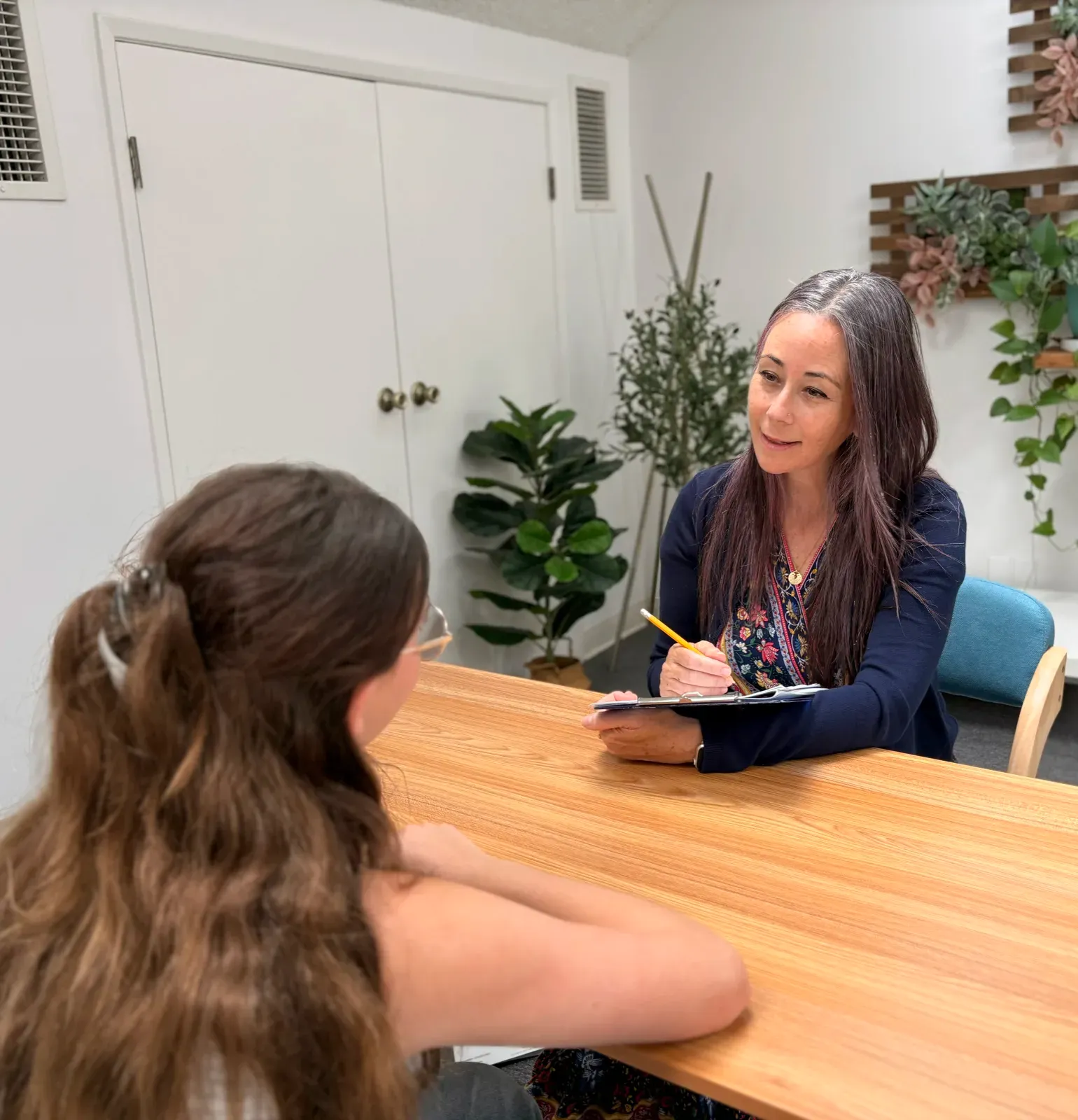
Your child won't feel like they're being tested.
I take the time to build rapport first, so kids feel comfortable enough to show me who they really are. Parents often tell me their anxious child enjoyed our sessions.
You'll understand every word.
I write for parents and IEP teams alike, with concrete examples and clear language that you can understand.
You'll leave with a plan, not just a diagnosis.
The recommendations are specific and school-ready, so you know what to ask for and where to go next.
“I realized we were in good hands when Erica told us she would be focusing on what our daughter can do instead of the things she can't. My daughter warmed to Erica immediately and really enjoyed their 3 sessions, which we were not expecting as she usually takes awhile to relax with new people!”
— Fiona C., parent
How I can help
Comprehensive Assessment
One in-depth psychoeducational assessment that looks at the whole child: learning, attention, and development together. No stone unturned.
Remote Assessment
The full psychoeducational assessment conducted over secure telehealth, for any student anywhere in California.
IEP Consultation for Parents
Guidance for parents working through IEPs, 504 plans, and the special-education process, from someone who knows how schools operate.
Independent Educational Evaluations
If you feel a school-based evaluation did not fully capture your child's needs, you have the right to request an independent second opinion. When approved, these comprehensive evaluations are funded by the school district to ensure an objective, thorough assessment of your child's learning profile.
Assessments for Schools
Contract psychoeducational and special-education assessments for schools and districts.
If you want a clearer picture of how your child learns, let's talk.
A free 20-minute consultation is enough for me to understand your concerns and help you figure out whether an assessment is the right next step.
Book Today