Remote assessment
Remote Psychoeducational Assessment
The same strength-based assessment I conduct in person, adapted for secure online administration for any student in California.
At a glance
What to know before you start
Who it's for
Families anywhere in California without local access to a psychologist who truly understands the 2e profile, and students who find the travel difficult. Best fit for ages 11 and up; younger students case-by-case.
What it is
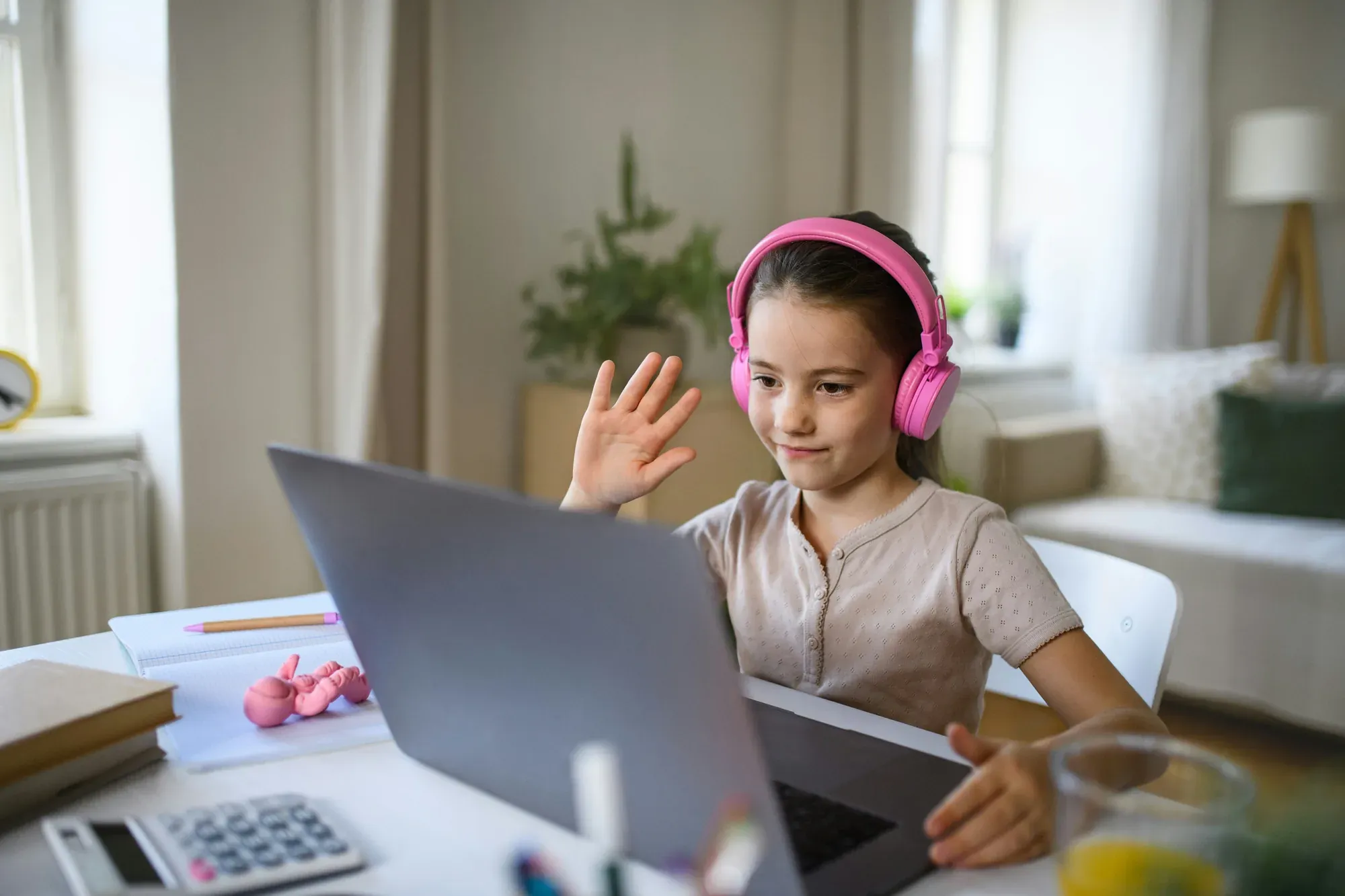
A full psychoeducational assessment (cognitive, academic, and social-emotional) administered over secure video.
Where
Remotely, for any student in California. In person in Pasadena, or in your home in the Los Angeles area.
How to start
A free 20-minute consultation to talk through your child's situation and whether remote testing fits.
Book TodayJust as thorough, from home
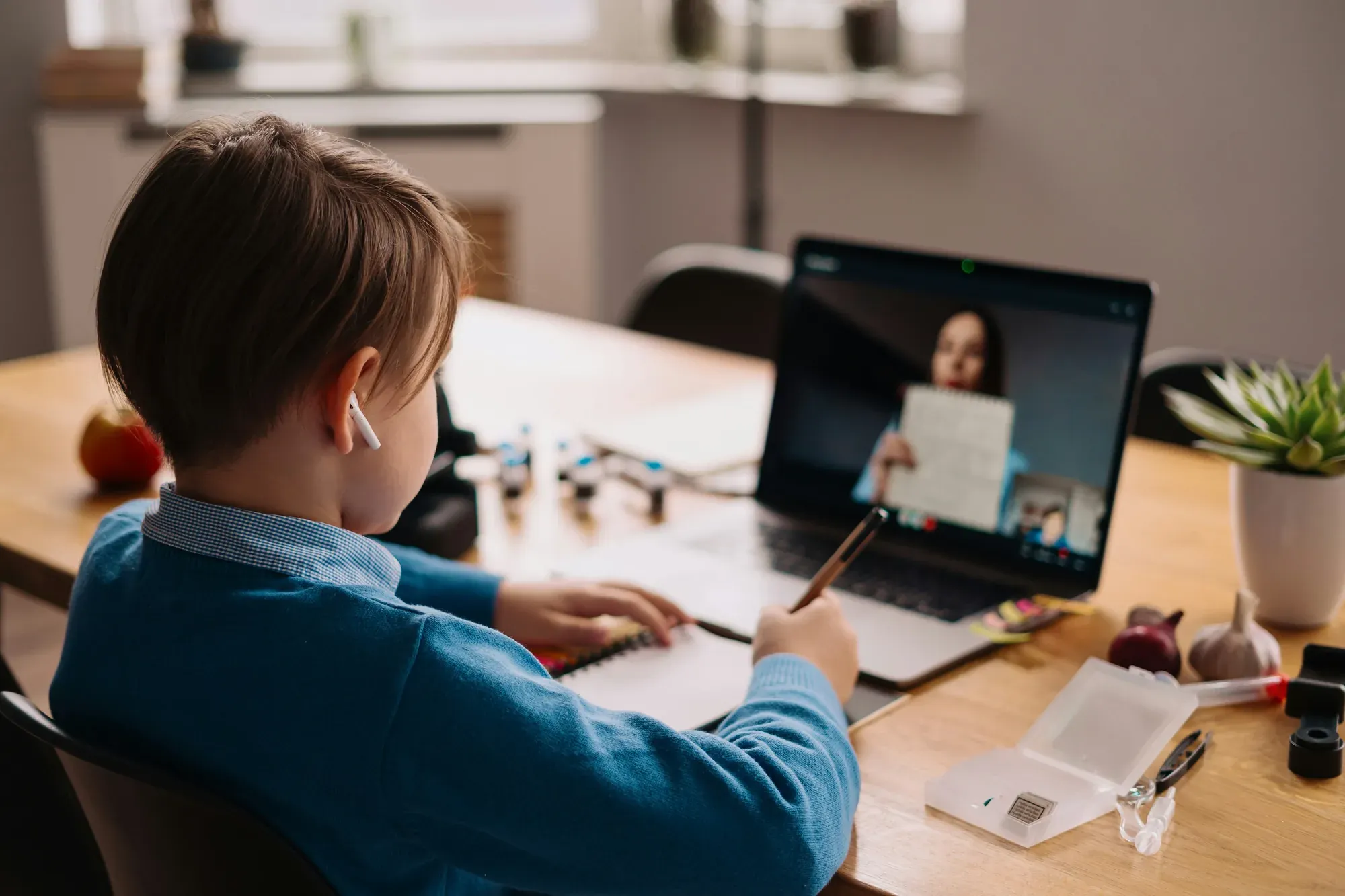
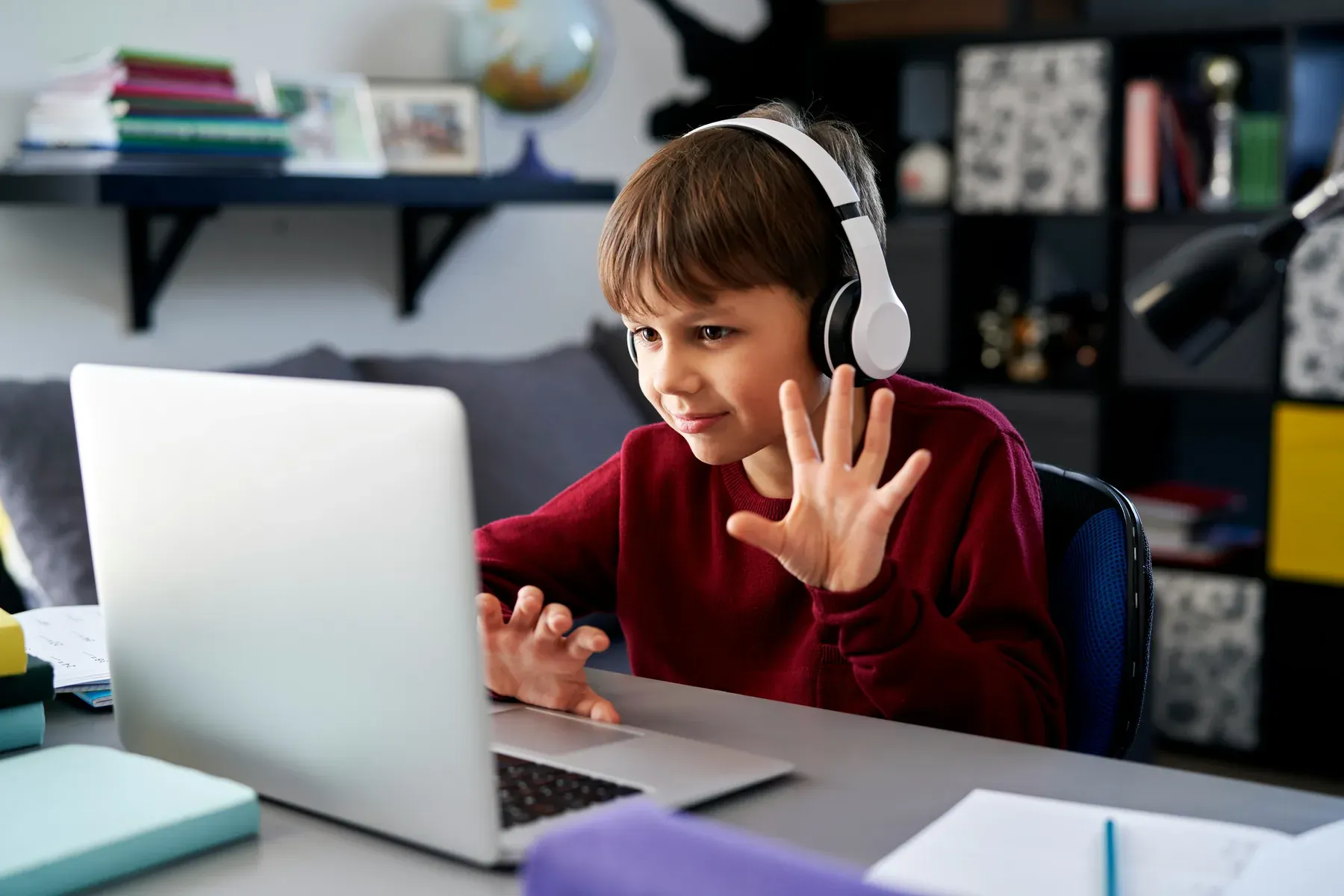
The worry I hear most is whether a remote assessment can really match an in-person one. It can, with the right setup. We work together over live video, so I can see how your child thinks, works, and responds. Those are the same things I would be watching for across the table in my office.
Some subtests can't be given through a screen, so before we begin I mail you a testing packet and a parent acts as proctor for those tasks, following my instructions. A second camera shows me your child's hands and workspace, and on the main camera I read their body language through the session: where they are engaged, where frustration creeps in, when they are starting to tire. The one piece that doesn't translate is an in-person school observation. For remote assessments, behavioral data comes from what I observe directly during testing, plus rating scales and interviews.
You and your child join from a quiet room at home. For a lot of kids that means they're calmer and more themselves, which gives me a truer read than a first visit to an unfamiliar office sometimes does.
What you get at the end is the same: a detailed report, with specific recommendations a school and an IEP or 504 team can act on.
Remote or in person, it's the same comprehensive psychoeducational assessment: the full picture, delivered the way that works for your family.
The whole child
What a full assessment looks at
Cognitive & reasoning
How your child thinks, problem-solves, and reasons.
Memory & processing speed
Working memory (visual and verbal), and how quickly information gets taken in.
Attention & executive function
Focus, planning, task initiation, and follow-through.
Academic skills
Measuring reading, writing, and math performance to identify specific strengths and learning gaps.
Auditory & visual processing
How your child's brain interprets, organizes, and remembers the information they see and hear.
Social-emotional wellbeing
Understanding anxiety, mood, behavior, self-regulation, and how your child feels about school and themselves.
The assessment process
How a remote assessment works
Every assessment is strength-based and looks at the whole child. Remote changes the logistics, not the depth.
Free consultation
A 20-minute call to hear your concerns and decide whether an assessment is the right next step.
Intake & records
We gather history, school records, and your observations, plus parent and teacher rating scales, shared securely. A testing packet is mailed to you ahead of the sessions so the materials are on hand.
Remote sessions
We meet over a secure video platform, from a quiet room at home, paced for your child's comfort. I guide your camera setup, and a parent stays nearby to help with materials.
Report & review
A detailed report, followed by a video meeting to walk through the findings, recommendations, and next steps.
Why families choose remote assessment
Anywhere in California
You're not limited to who happens to practice within driving distance.
Strength-based, always
I build the recommendations around what a student is good at, not only around what's hard.
The whole child
Every domain, not one narrow slice: cognitive, academic, and social-emotional.
Reports you can use
Specific and school-ready, for IEPs, 504s, and private-school conversations.
Testimonials
What families say
We walked away feeling like we understand our son so much better and, most importantly, feel better equipped to support him.
I realized we were in good hands when Erica told us she would be focusing on what our daughter can do instead of the things she can't.
This was a very in depth investigation into the workings of my son's mind, how he learns, and what makes him tick.
Her strength-based approach to assessment, her deep 2e expertise, and the way she talks about changing the box to fit the kid instead of forcing the kid into the box? That's my language.
We did a lot of research before deciding on who should assess both our teenage sons and Erica was a standout first choice. She is thoughtful, insightful, and incredibly thorough. Both kids loved her.
What stood out most was how deeply she cares about advocating for children and making sure they feel seen, understood, and supported.
We gave her an impossible deadline and she somehow delivered a day ahead of schedule, and her report was incredibly comprehensive and accurate.
We met with 7 other practitioners before selecting Erica and I'm so glad we made the choice we did.
Common questions about remote assessment
Can my child be assessed remotely if we don't live near Pasadena?
Yes. Remote assessment is available for any student in California over a secure telehealth platform, so where you live doesn't decide the quality of assessment you can get.
Can a virtual assessment be just as thorough as an in-person one?
Yes. We work over live video, so I can see how your child thinks and responds, and a second camera shows me their hands and workspace. Some subtests can't be given through a screen, so I mail a testing packet ahead of time and a parent proctors those tasks. A school observation is the exception. I can't do that one online, so behavioral data comes from clinical observation during testing, rating scales, and interviews instead.
What ages work for remote assessment?
Remote assessment generally works best for students 11 and up: they can engage independently and manage the technology. Younger students can be a fit when they're comfortable with virtual interaction and can follow directions without much adult prompting. If a student needs more hands-on support, or takes time to warm up to new adults, I'll recommend in person instead. We decide together in the free consultation.
How many sessions are required, and how long is each?
A comprehensive assessment generally requires three to four testing sessions of about two to three hours each, paced for your child's comfort, plus the first consultation and a review meeting at the end. The number and length can vary with your child's age, the areas being assessed, their pace, and the breaks they need.
How will I receive the report?
You'll receive the detailed written report three days before the review meeting. Then we meet over video for an hour to walk through what it means and what to do next.
What the assessment covers
Worried about something specific? See how I work with each area, remote or in person.
Twice-Exceptional & Gifted
For gifted students who also have a learning, attention, or developmental difference. I assess for both, so nothing is missed.
Learn moreADHD & Executive Functioning
A close look at attention, focus, and the planning-and-follow-through skills that shape how school actually goes.
Learn moreAutism
A careful, strength-based autism evaluation set within the whole-child picture.
Learn moreLearning Differences
Assessment for dyslexia, dysgraphia, and dyscalculia: the differences behind reading, writing, and math struggles.
Learn moreExplore other services
Comprehensive Assessment
One in-depth psychoeducational assessment that looks at the whole child: learning, attention, and development together. No stone unturned.
IEP Consultation for Parents
Guidance for parents working through IEPs, 504 plans, and the special-education process, from someone who knows how schools operate.
Independent Educational Evaluations
If you feel a school-based evaluation did not fully capture your child's needs, you have the right to request an independent second opinion. When approved, these comprehensive evaluations are funded by the school district to ensure an objective, thorough assessment of your child's learning profile.
Wherever you are in California, let's talk.
A free 20-minute consultation is enough to understand your concerns and figure out whether a remote assessment is the right next step.
Book Today