Independent Educational Evaluations
Independent Educational Evaluations
By the time most families explore an Independent Educational Evaluation (IEE), they have already been through a long and exhausting process with their district. An IEE provides an independent, comprehensive second opinion from outside the school system. It is requested in writing and, once approved, is funded entirely by your school district.

At a glance
What to know before you start
Who it's for
Families who feel the district's evaluation missed the mark, were denied eligibility, or have ongoing concerns about their child's program. This also includes families whose district missed legal timelines or made other procedural errors.
What it is
A comprehensive psychoeducational evaluation by an independent evaluator outside the district, including formal DSM-5 diagnoses where relevant.
Who pays
The district, when your request is granted.
How to start
A free 20-minute consultation. I'll review the school's evaluation and help you determine whether an IEE request is appropriate.
Book TodayWhy families call
Four situations that lead families to an IEE
The evaluation missed the mark
The school recently completed an evaluation, and it doesn't match the child you know: areas left unassessed, conclusions that don't fit, or a report that feels incomplete.
Eligibility was denied
Your child was found not eligible for special-education services, and you're not convinced the assessment looked deeply enough to justify that answer.
The program isn't working
There are significant, ongoing issues with your child's current educational program and the support the school is offering. You need objective data to move the conversation.
Procedural errors occurred
The school district missed legal timelines for the evaluation, failed to assess your child in all areas of suspected need, or made other significant errors during the assessment process.
What it can change
One evaluation can change the whole conversation
One student I evaluated was initially found ineligible for special education services because the district used too narrow a lens when looking at the educational impact of his disability. By focusing solely on his standardized test scores, they missed how his challenges actually affected his daily school life.
Through an independent evaluation, I showed that he qualified under Other Health Impairment because his ADHD-like behaviors significantly limited his ability to participate in class and complete schoolwork. Based on those findings, he received counseling support, targeted math instruction, and accommodations like reduced homework and flexible deadlines. That is what a thorough independent evaluation is for. It is not to win an argument, but to get a student what the data shows they need.
The assessment process
How an IEE works
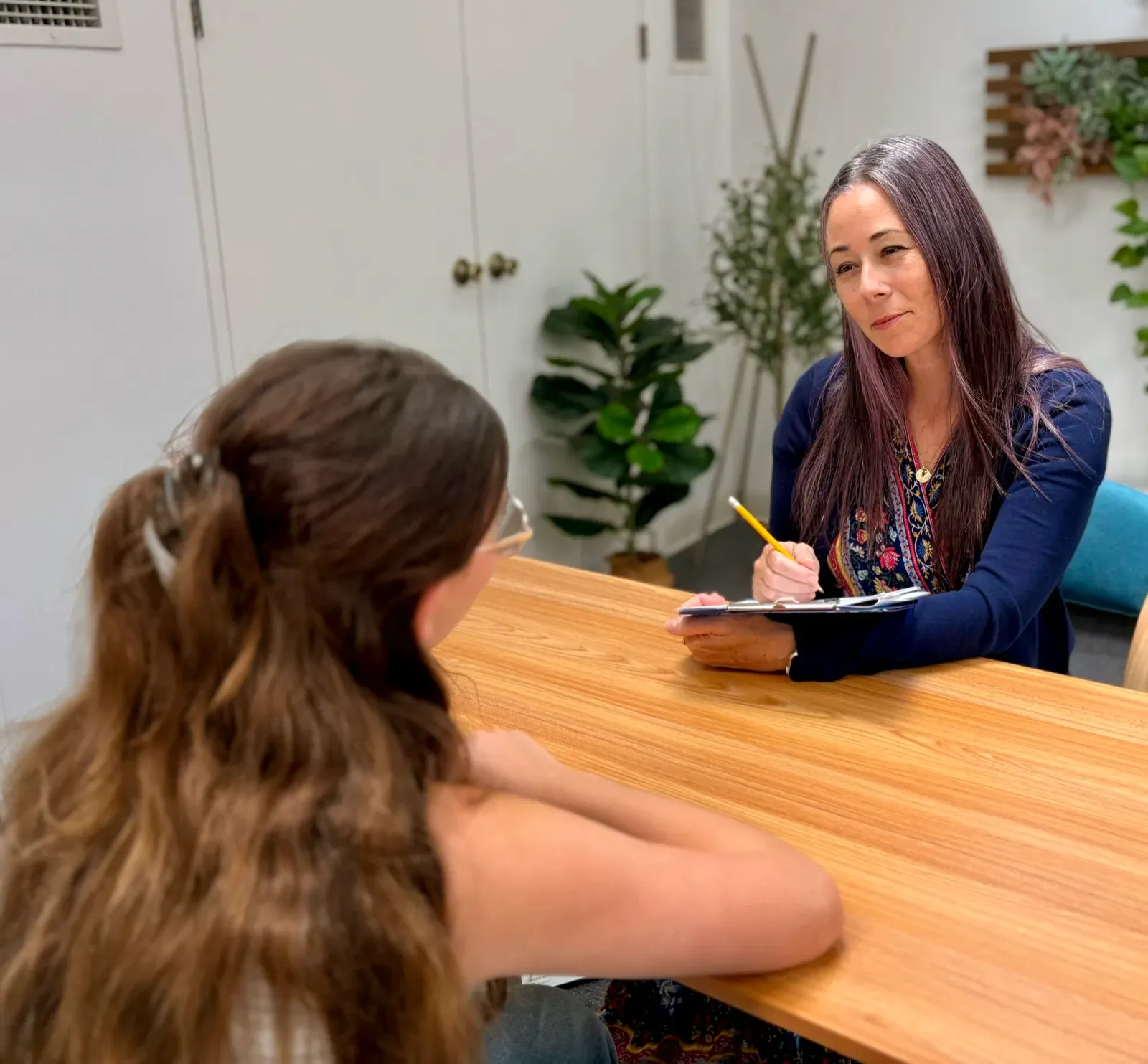
Once your IEE request has been approved by the district, the process moves forward in clear steps.
Free consultation
A 20-minute call to discuss what has happened so far, including previous evaluations, eligibility decisions, and where things currently stand with your school district.
Records review
A thorough review of the school's evaluation and your child's records to help you determine if an IEE request is justified and what areas it should cover.
Independent evaluation
A comprehensive evaluation using a broad, diverse array of assessment tools across cognitive, academic, executive functioning, and social-emotional processing.
Report & the IEP process
A data-driven report with clear justifications for every finding and recommendation, written in accessible language the IEP team can easily understand and act on.
Testimonials
What families say
We walked away feeling like we understand our son so much better and, most importantly, feel better equipped to support him.
I realized we were in good hands when Erica told us she would be focusing on what our daughter can do instead of the things she can't.
This was a very in depth investigation into the workings of my son's mind, how he learns, and what makes him tick.
Her strength-based approach to assessment, her deep 2e expertise, and the way she talks about changing the box to fit the kid instead of forcing the kid into the box? That's my language.
We did a lot of research before deciding on who should assess both our teenage sons and Erica was a standout first choice. She is thoughtful, insightful, and incredibly thorough. Both kids loved her.
What stood out most was how deeply she cares about advocating for children and making sure they feel seen, understood, and supported.
We gave her an impossible deadline and she somehow delivered a day ahead of schedule, and her report was incredibly comprehensive and accurate.
We met with 7 other practitioners before selecting Erica and I'm so glad we made the choice we did.
Common questions about IEEs
What is an IEE, and who pays for it?
An Independent Educational Evaluation is an evaluation conducted by a qualified professional outside the school district. If you believe the school's assessment is incomplete or flawed, you have the right to request one. To begin, submit a formal written request for an IEE. The school district is required to respond, and when the request is granted, the district funds the evaluation.
When should I request an IEE?
If the school's evaluation feels inaccurate or incomplete, if your child was denied eligibility, if there are ongoing concerns about their program, or if the district made procedural errors during the assessment process, an IEE may be appropriate. Not sure where you stand? Through consultation, I can review the school's evaluation with you and help determine whether a request is warranted.
What do parents most often misunderstand about their right to an IEE?
How strong that right actually is. If the school's assessment is incomplete or flawed (even in ways that are hard to spot without expert knowledge, like small gaps or logistical errors), it becomes difficult for the school to legally deny an IEE. The key is simply making the request formally, in writing.
How is your IEE different from the school's evaluation?
I use a broader and more diverse array of assessment tools across cognitive, academic, executive functioning, and social-emotional processing. School psychologists are district employees. I am not, so my conclusions about eligibility aren't shaped by district constraints or politics. I'm qualified to provide formal DSM-5 diagnoses, which school evaluations generally don't include. And my evaluations are deeply strength-based. If your child is gifted or excelling in certain areas, the recommendations support that side of their profile too, not just the areas needing remediation.
Will the school actually accept and act on your report?
My reports are built for exactly that. Every conclusion is grounded in assessment data. The report explains not just what the data shows but why it matters, in language an IEP team can actually use. The recommendations are specific enough to translate straight into goals and accommodations.
Is an IEE the same as IEP consultation?
No. They're separate services. An IEE is an independent evaluation: fresh testing and a new written report. IEP consultation helps you understand and work within a plan the school has already written. If you're not sure which applies to your situation, the free consultation is the place to start.
What an evaluation looks at
An IEE covers the same areas as any full assessment. See how I work with each.
Twice-Exceptional & Gifted
For gifted students who also have a learning, attention, or developmental difference. I assess for both, so nothing is missed.
Learn moreADHD & Executive Functioning
A close look at attention, focus, and the planning-and-follow-through skills that shape how school actually goes.
Learn moreAutism
A careful, strength-based autism evaluation set within the whole-child picture.
Learn moreLearning Differences
Assessment for dyslexia, dysgraphia, and dyscalculia: the differences behind reading, writing, and math struggles.
Learn moreExplore other services
Comprehensive Assessment
One in-depth psychoeducational assessment that looks at the whole child: learning, attention, and development together. No stone unturned.
Remote Assessment
The full psychoeducational assessment conducted over secure telehealth, for any student anywhere in California.
IEP Consultation for Parents
Guidance for parents working through IEPs, 504 plans, and the special-education process, from someone who knows how schools operate.
If the school's evaluation doesn't match the child you know, let's talk.
A free 20-minute consultation is enough to hear what's happened. I'll review the school's evaluation and help you decide whether an IEE is the right next step.
Book Today